

Introduction
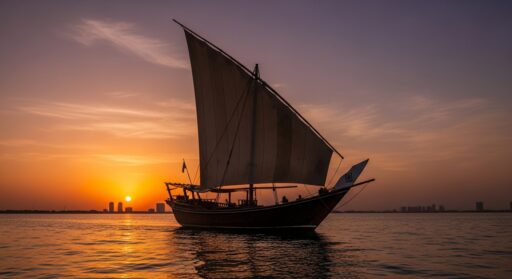
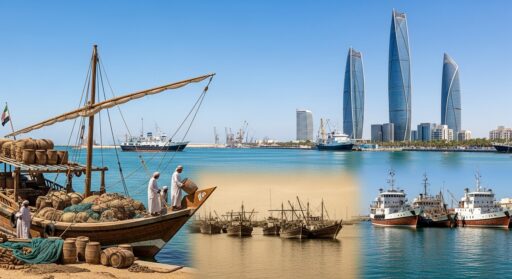
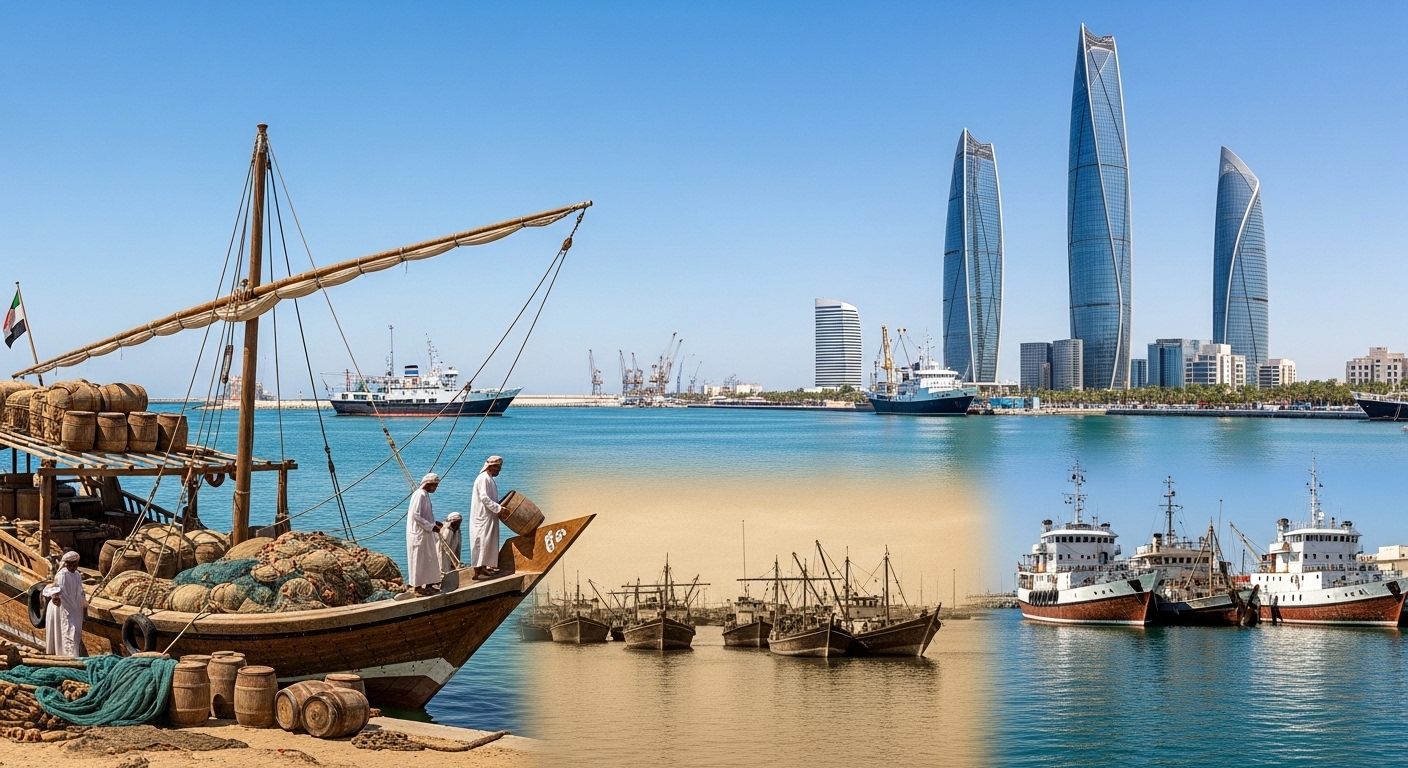
The UAE’s relationship with the sea has evolved from one of survival to one of global command. The journey began with a modest fleet of wooden dhows used for fishing and pearling, sustaining coastal communities for generations. Today, the UAE is a world leader in port operations, logistics, and maritime trade, home to some of the most technologically advanced and busiest ports on the planet. This transformation from a regional fishing fleet to a global maritime powerhouse is a central narrative of the nation’s development, demonstrating a unique ability to leverage its geographic destiny into unprecedented economic influence.
History
The pre-oil maritime economy was defined by two pillars: fishing and pearling. The sea provided the primary source of protein and the main export commodity. The collapse of the pearling industry in the 1930s was a devastating blow to this traditional economy. The turning point came with the vision of the late Sheikh Rashid bin Saeed Al Maktoum of Dubai. In the 1960s and 70s, he began a bold port modernization program, dredging the Creek to allow larger vessels and then building Port Rashid. This was followed by the audacious creation of Port Jebel Ali in the 1970s, then the largest man-made harbor in the world. This established a new paradigm: not just being a stop on a trade route, but actively shaping global trade flows.
Key Features
The UAE’s modern maritime dominance rests on several key pillars:
- Mega-Ports and Strategic Location: The UAE’s ports are strategically located at the crossroads of East-West trade. Jebel Ali (Dubai) is the busiest port in the Middle East and a top-ten global container port. Khalifa Port (Abu Dhabi) and Fujairah Port (on the Indian Ocean) are massive, state-of-the-art facilities that serve as critical global logistics hubs.
- World-Class Port Operators: The UAE is not just a host to ports; it is a global port operator. DP World, born from the Dubai Ports Authority, is one of the largest marine terminal operators in the world, managing ports and logistics corridors across six continents.
- Integrated Logistics Hubs: The ports are integrated with vast industrial zones, free zones (like JAFZA), and logistics parks, creating seamless ecosystems where goods can be manufactured, assembled, and re-exported with maximum efficiency.
- Bunkering and Ship Repair: Ports like Fujairah are global leaders in ship bunkering (refueling), while the Dubai Drydocks is one of the largest ship repair facilities in the world, serving the global shipping industry.
Cultural Significance
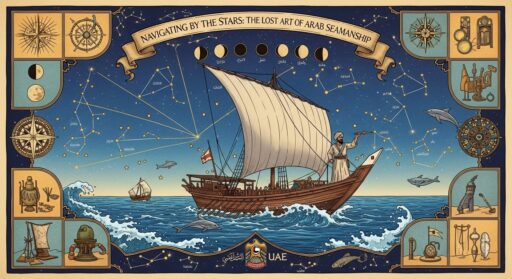
This maritime transformation represents the scaling of a traditional identity to a global level. The skills of the old nakhoda (ship captain)—navigation, risk-taking, and understanding global markets—are now embodied in the executives and engineers who run the UAE’s global logistics empire. The ambition to build Jebel Ali in an empty desert coastline was the modern equivalent of sending a dhow across the ocean—a leap of faith based on a bold vision of the future. This success has become a core part of national pride, proving that the Emirati merchant spirit could not only adapt to the modern world but could come to dominate a critical sector of the global economy.
Modern Relevance
The UAE’s maritime infrastructure is the backbone of its economic diversification and a key asset for global trade. It ensures the UAE remains indispensable to the world economy, far beyond its role as an oil exporter. As global trade routes evolve, the UAE’s ports are positioning themselves as the hubs for the new “silk roads” of the 21st century. Furthermore, the UAE is investing in the future of maritime trade through its ports, with initiatives in smart logistics, blockchain for supply chains, and green port technologies. In an era of globalized commerce, the UAE’s ability to move goods efficiently makes it a critical enabler of world trade, a role that guarantees its continued relevance and prosperity.
Conclusion
The UAE’s journey from a fishing and pearling coast to a global maritime titan is one of the most remarkable stories of economic transformation in history. It is a story that perfectly blends geographic advantage with visionary leadership and relentless execution. The wooden dhow and the massive container ship are not opposites; they are two points on the same continuum. The UAE has demonstrated that the same waters that once provided sustenance can, with wisdom and ambition, be channeled into flows of global capital and commerce, ensuring that the nation remains, as it has for centuries, a central meeting point for the world.