

Introduction
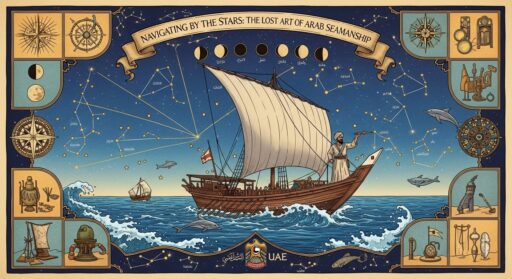
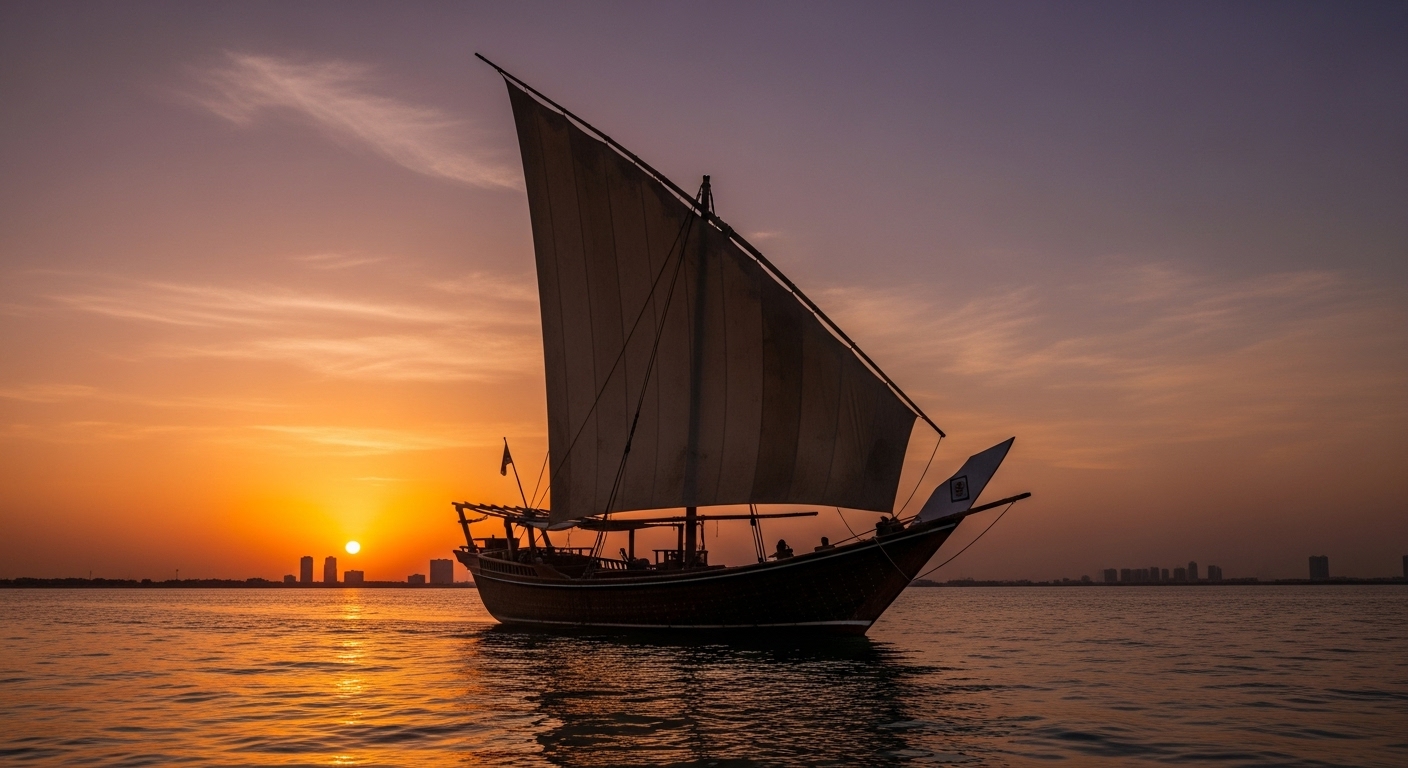
For millennia, the silhouette of the dhow, with its majestic lateen sail, has been the defining image of the Arabian Gulf. More than just a boat, the dhow was the engine of civilization in a region where the sea was both a barrier and a highway. These wooden sailing vessels connected the UAE to the world, carrying pearls, dates, and spices across the Indian Ocean and forging cultural and economic links from East Africa to the Indian subcontinent and beyond. The dhow is not merely a relic of a bygone era; it is the very vessel upon which the maritime identity and mercantile spirit of the UAE were built.
History
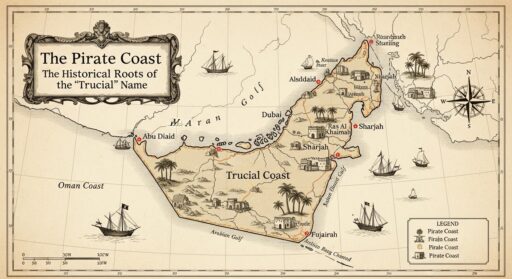
The dhow’s origins are lost to time, with its design evolving over centuries, likely influenced by Arab, Indian, and East African shipbuilding traditions. Its golden age coincided with the peak of the pearling industry in the 19th and early 20th centuries, when thousands of dhows formed a vast fleet that set sail each season from the ports of the Trucial Coast. These vessels were also the backbone of regional trade, transporting goods like dates, dried fish, and mangrove timber to neighboring ports and returning with wood, textiles, and foodstuffs. Even after the collapse of the pearling economy and the advent of motorized ships, the dhow remained a vital part of the coastal landscape, its design adapted for engine-powered cargo transport.
Key Features
The dhow is a masterpiece of functional design, perfectly adapted to the conditions of the Gulf and the Indian Ocean:
- The Lateen Sail: The triangular lateen sail is the dhow’s most recognizable feature. It is highly efficient, allowing the vessel to sail close to the wind, a critical advantage for navigating the seasonal monsoons (Al Kaus) of the Indian Ocean.
- Stitched Construction: The oldest dhows were built using a unique “shell-first” method, where planks were sewn together with coir rope, making the hull flexible and resilient in rough seas. Later, nails became more common, but the stitched technique remained a revered skill.
- Wood and Material: The primary wood used was teak, imported from India, prized for its durability and resistance to rot. The sails were traditionally made from woven palm fronds or cotton.
- Varieties of Dhows: There were many types, each for a specific purpose. The Boom was a large ocean-going trader; the Baghla was known for its ornate stern; and the Shu’ai was a smaller, faster vessel used for fishing and pearling.
Cultural Significance
The dhow was the center of a vibrant maritime culture. Its construction was a community effort, overseen by a master shipwright, the usta. The life of the sailor (nakhoda) was one of skill, courage, and endurance, celebrated in poetry and song. The dhow’s annual cycles dictated the rhythm of life in coastal communities. The vessel was also a powerful symbol of the Emirati merchant spirit—resourceful, outward-looking, and resilient. It represented the ability to venture into the unknown, to trade fairly, and to return home safely, values that continue to underpin the UAE’s modern global economic strategy.
Modern Relevance
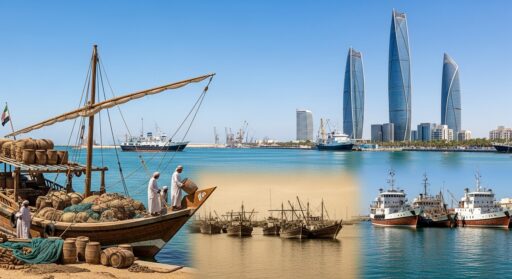
While the age of the commercial sailing dhow has passed, its legacy is everywhere. The modern ports of Jebel Ali, Khalifa, and Fujairah are the direct descendants of the ancient dhow harbors. The dhow trade continues in a modernized form, with motorized wooden dhows still carrying cargo between the Gulf, Iran, and India, a testament to the enduring efficiency of the design. Culturally, the dhow is a potent national symbol, featured on the UAE’s currency and in the logos of major companies and ports. The Dubai Duty Free Tennis Championship trophy is shaped like a dhow, and traditional dhow sailing races are popular sporting events, ensuring that the skills and memory of this iconic vessel are passed to new generations.
Conclusion
The dhow is the soul of the UAE’s maritime heritage. It is a floating piece of history, a tangible link to an era when the nation’s fortunes were carried on the tides. From the pearling beds of the Gulf to the spice markets of Zanzibar, the dhow carved out a place for the people of this region on the world stage. Its graceful form, born from necessity and honed by generations of seafarers, remains an enduring icon of ingenuity and adventure. The story of the dhow is the prologue to the story of the modern UAE—a story of connection, trade, and an unwavering gaze toward the horizon.